Aucun produit dans le panier.
Quels sont les conseils d’entretien des écouteurs: Un guide étape par étape!
Les écouteurs font désormais partie de la vie quotidienne. Les gens les utilisent pour le travail, musique, jeu, et voyager. Cependant, de nombreux utilisateurs ignorent un entretien approprié. Par conséquent, les écouteurs perdent souvent la qualité du son au début. La saleté bloque les pilotes. La sueur endommage les coussinets d'oreille. Les câbles lâches réduisent les performances audio. Heureusement, des habitudes simples peuvent prolonger considérablement la durée de vie des écouteurs. Avec la bonne routine de soins, headphones can last years longer. This headphones maintenance tips guide explains practical steps anyone can follow.
You will learn how to clean, store, and protect your headphones effectively. By the end, you will understand how to maintain headphones properly and avoid common damage.
Why Regular Maintenance Matters for Your Audio Gear
Most users wait for a problem to occur before acting. Malheureusement, earwax, sweat, and dust act as silent killers for internal drivers. Regular audio gear care prevents permanent hardware damage and ensures consistent frequency response.
Saving Money in the Long Run
Quality headphones are expensive. By following a strict maintenance routine, you avoid the high costs of replacements. Small habits today prevent major electronic failures tomorrow.
Enhancing Your Listening Experience
Debris on the driver mesh can muffle sound. En outre, dirty ear pads affect the acoustic seal. Proper care ensures you hear every detail in your favorite tracks.
Deep Cleaning Your Headphones Safely
Cleaning is the foundation of any headphones maintenance tips checklist. Cependant, you must use the right tools to avoid damaging sensitive components.
Materials You Will Need
-
A soft, lint-free microfiber cloth.
-
70% Isopropyl alcohol (use sparingly).
-
A soft-bristled toothbrush or Q-tips.
-
Small amount of mild soapy water.
How to Clean Headphones Like a Pro
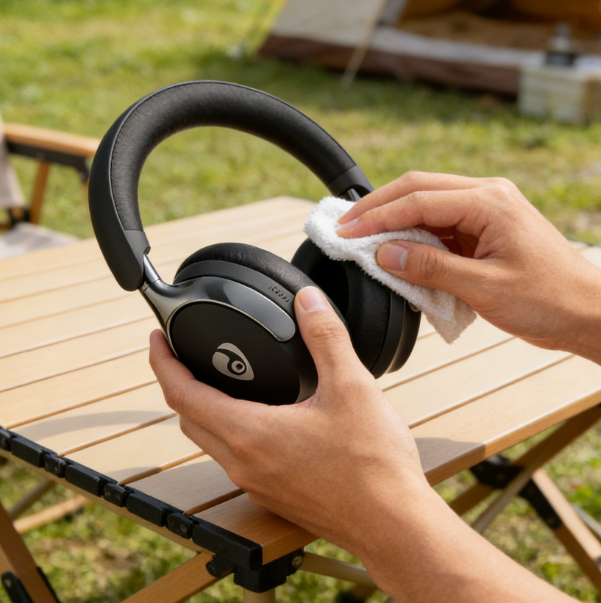
First, remove the ear pads if your model allows it. Wipe the external surfaces with a dry cloth to remove loose dust. Use a slightly damp Q-tip to clean the crevices around the buttons.
For the mesh over the drivers, hold the headphones face down. Gently brush the mesh with a dry toothbrush. This technique allows gravity to pull debris away from the internal electronics. How to clean headphones properly involves patience and a very light touch.
Ear Pad Restoration and Care
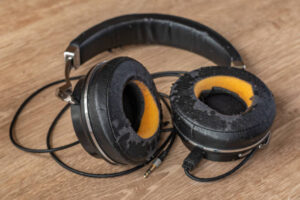
Ear pads are usually the first part to degrade. Whether they are leather, protein leather, or velour, they absorb skin oils and sweat.
Cleaning Different Materials
-
Leather/Protein Leather: Wipe with a damp cloth after every long session. Use a leather conditioner once every six months to prevent cracking.
-
Velour/Fabric: Use a lint roller to remove hair and skin cells. Occasionally, hand-wash them with a tiny drop of detergent and air-dry them completely.
When to Replace Them
Even with the best care, ear pads eventually lose their shape. If the foam feels flat or the “leather” starts flaking, buy a replacement set. Fresh pads restore the original sound signature and comfort.
Mastering Cable Management
Cable failure is the most common reason people discard their headphones. Even “tangle-free” cables are susceptible to internal wire breakage if handled roughly.
The “Over-Under” Coil Technique
Never wrap your cable tightly around your hand or the headphones. This creates internal tension. Plutôt, use the “over-under” coiling method used by professional roadies. This keeps the wire relaxed and prevents kinking.
Managing the Jack and Connections
The 3.5mm or USB-C connector often collects pocket lint. Periodically clean the jack with compressed air. If you notice a “static” sound when moving the wire, you might need a headphone cable repair guide or a simple replacement of the detachable cord.
Storage Solutions for Longevity
Where do you put your headphones when you finish listening? Leaving them on the desk or tossing them in a backpack is a recipe for disaster.
The Importance of a Dedicated Stand
A good stand maintains the shape of the headband. Avoid stands that put constant pressure on the ear pads, as this compresses the foam over time.
Choosing the Right Travel CaseIf you travel, use a hard-shell case. Many Reddit users in the r/headphones community emphasize that “crush protection” is more important than “scratch protection.”
|
Protecting Your Gear from the Elements
Electronics and moisture are natural enemies. Humidity can corrode internal circuits, while extreme heat can melt adhesives.
Humidity Control
If you live in a tropical climate, store your headphones with a small silica gel packet. This absorbs excess moisture from the air and prevents mold growth on fabric pads.
Avoid Sunlight and Heat
Never leave your headphones in a hot car. High temperatures can warp the plastic housing and damage the battery in wireless models. Always keep them in a cool, shaded environment.
Battery Health for Wireless Headphones
If you use Bluetooth headphones, the battery is the ticking heart of your device. Lithium-ion batteries degrade based on how you charge them.
The 20-80 Règle
To maximize battery lifespan, try to keep the charge between 20% and 80%. Avoid letting the battery hit 0% frequently. Also, do not leave them plugged in overnight if they don’t have an “intelligent charging” feature.
Make Maintenance a Habit
Effective headphones maintenance tips don’t require hours of work. It only takes a few seconds to wipe down your gear and coil the cable correctly. By treating your audio equipment with respect, you ensure years of high-fidelity enjoyment and save yourself from unnecessary expenses. Remember, clean gear sounds better. Follow LONG to learn more headphone maintenance tips. Start your maintenance routine today and experience the difference for yourself!


À propos de l'auteur

Articles connexes
Mobile gaming and video streaming demand perfect synchronization between sight and sound. Cependant, many users face a frustrating delay while using wireless gear. You might wonder if headphones for Android Bluetooth can truly deliver real-time audio. This lag often ruins the experience during intense competitive matches or cinematic movies. Heureusement, modern technology offers several solutions to bridge this digital gap. This... Continuer la lecture
Modern travel often brings unwanted noise and constant distractions. Frequent flyers and commuters understand the value of peace and quiet. Donc, finding the right travel noise cancelling headphones becomes a vital investment for your sanity. High-quality audio gear transforms a chaotic airplane cabin into a private sanctuary. Cependant, many shoppers feel overwhelmed by the endless technical specifications available today. This comprehensive... Continuer la lecture

Le style de vie moderne exige souvent une connectivité audio constante. Nous écoutons de la musique pendant les déplacements et au travail. Cependant, Les écouteurs intra-auriculaires traditionnels présentent plusieurs risques pour la santé. De nombreux utilisateurs signalent désormais une fatigue auditive et une perte auditive. Par conséquent, les gens recherchent des alternatives plus sûres pour une écoute quotidienne. Les lunettes de soleil audio à monture carrée représentent un changement de conception révolutionnaire. Ils associent des lunettes élégantes à une technologie sonore à oreille ouverte. This approach offers a... Continuer la lecture

Vos écouteurs refusent soudainement de se charger? Ce problème courant frustre de nombreux mélomanes. Souvent, le problème n'est pas une batterie cassée. Plutôt, une simple saleté bloque le flux électrique. La poussière et le cérumen s'accumulent à l'intérieur du boîtier au fil du temps. Ces particules se déposent sur les minuscules broches de chargement. Par conséquent, vos écouteurs de chargement sans fil OVLENG perdent leur connexion. Un bon entretien est le meilleur moyen.. Continuer la lecture

Vous atterrissez en vous sentant épuisé et étourdi après de longs vols? ✈️ Le décalage horaire gâche les premiers jours de vos vacances ou de votre voyage d'affaires. Spécifiquement, les drones bruyants et les bébés qui pleurent perturbent votre horloge interne. Votre cerveau a du mal à se reposer dans un environnement bruyant, cabine pressurisée aujourd'hui. Par conséquent, vous arrivez à destination complètement épuisé. Vous avez besoin d'un moyen de créer un ... Continuer la lecture